
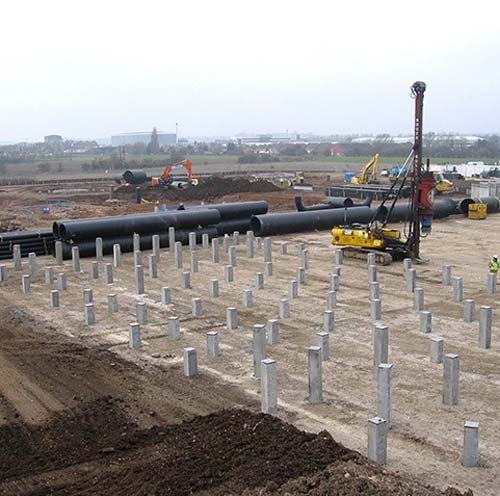
When considering construction projects that require deep foundations, mini piling is often preferred for its versatility and efficiency. Mini piling is a piling type in groundworks used to strengthen the foundation of a site where access is restricted or the soil is challenging. A mini pile is a small-diameter column bored deep into the ground till the bedrock to support the building load. However, one of the main concerns for homeowners and business owners is the cost of mini piling services in the UK.
In this blog, we will explore the different factors that affect mini piling costs in the UK. We will explain pricing structures and offer tips on getting good value for your money. Whether you are planning a small extension or a larger project, knowing the costs will help you make better decisions along the way.
What Is the Average Cost of Mini Piling in the UK?
Mini piling is a specialised foundation technique employed when traditional piling methods are either impractical or insufficient due to site constraints. In the UK, the cost of mini piling can vary significantly based on several factors, including project size, soil conditions, and geographical location.
The average cost of mini piling in the UK is approximately £50 to £180 per linear meter, with prices varying based on factors such as ground conditions, the number, type, and depth of required piles, and project-specific complexities. For a small extension, the total cost can range from about £4,500 to £8,000, including piles and the floor slab, though this can vary significantly.
Average Cost Breakdown
Per linear meter: £50–£180
For a small extension: £4,500–£8,000 (includes piles and floor slab, typically to a depth of 4m)
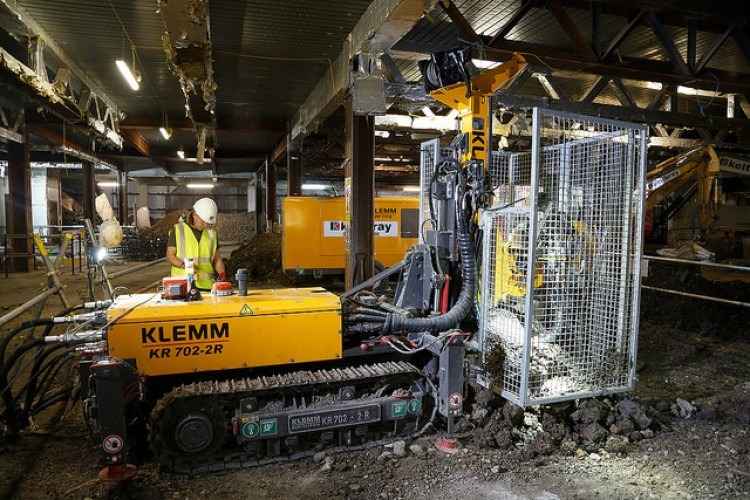
Factors Influencing the Cost of Mini Piling Projects
When calculating the cost of a mini piling project, we should consider the factors affecting the total price. Some of the major cost factors are:
Materials
Materials account for a large share of the cost in any mini piling project. During installation, materials such as steel casings, concrete, reinforcement bars, and consumables are used. The pile type and design also affect the project’s cost. After considering all these factors, material costs range from £40 to £80 per metre. However, the cost of reinforced piles may go up due to the additional steel and higher-grade concrete needed.
Pile Depth and Diameter
The second major cost factor is the pile depth and diameter. Deeper or wider piles require more material and longer installation time. This way, the cost per metre ranges from £120 to £180 under normal conditions. However, complex commercial designs or high load-bearing requirements can push the price above £200 per metre. The deeper the pile, the more time, concrete, and reinforcement are needed, resulting in increased labour and machinery usage.
Ground Condition
Next comes the ground condition. In firm, dry soil, mini piling is simple and comparatively affordable. On the other hand, ground with soft clay, loose sand, or a high water table usually requires specialised casing, rigs, or drilling techniques. Such challenges increase mini piling costs by 20–40%, especially if dewatering or soil stabilisation is required. If a geotechnical investigation is conducted before piling, it helps anticipate these factors, allowing for accurate cost forecasting and reducing unexpected overruns.
Site Access and Logistics
Sites with restricted access or confined urban locations require smaller rigs, additional handling, and tailored logistics, all of which impact cost. Restricted access or confined urban locations often require smaller rigs and additional handling, which elevate costs. Projects with restricted access, such as narrow driveways, low headroom, or difficult terrain, may require compact piling rigs, adding setup and mobilisation charges of £1,000–£2,000. Moreover, transporting heavy machinery, arranging spoil removal, and ensuring safe access routes further contribute to expenditure.
Method of Installation
The installation method in a mini piling project also plays a major role in determining the overall project cost for the property owner. Common procedures include bored mini piles, driven steel-cased piles, and Continuous Flight Auger (CFA) piles, each suited to different soil, structural, and access conditions. Driven piles are typically quicker and more cost-effective in firm ground, costing around £120–£160 per metre. On the other hand, the cost of Augered or bored methods can reach £180–£250 per metre due to slower drilling speeds, spoil disposal, and the need for more specialist machinery.
Final Project Cost
The final cost of a mini piling project can be calculated by summing all costs and multiplying by the total area in metres. For a small residential project, the final mini piling cost usually ranges from £4,500 to £8,000, while larger or more technically complex projects can exceed £15,000. A thorough site assessment and precise engineering design by local engineers are crucial for an accurate quotation tailored to your property’s specific piling requirements.
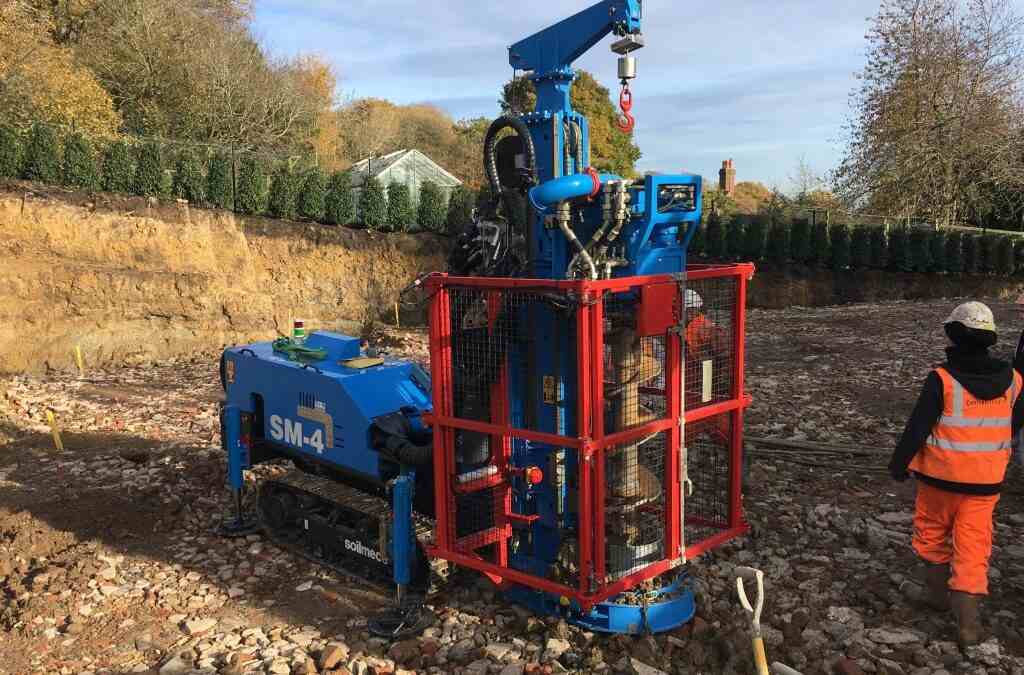
Conclusion
Mini piling offers a reliable, long-term solution for projects where ground conditions or limited access make traditional foundations impractical. While costs in the UK typically vary, the final price depends on site complexity, soil type, and engineering requirements. By consulting a reputable mini piling specialist and investing in proper site investigation, you ensure structural stability, compliance, and peace of mind. Quality foundations may cost more upfront, but they deliver far greater value in the long run.